When Foundation Lifting Is a Better Option Than Repair
When foundation lifting is a better option than repair, local contractors can help stabilize and level your foundation effectively, preventing future structural issues.
Homeowners in the area facing foundation concerns often wonder whether repair or foundation lifting offers the best long-term solution. Understanding when foundation lifting is a better option than repair can help property owners make informed decisions that address underlying issues more effectively. This approach is particularly relevant for those experiencing uneven floors, significant settlement, or structural shifts that indicate deeper foundation movement. Local contractors specializing in foundation lifting have the expertise to evaluate these signs and recommend the most appropriate course of action, ensuring that the stability of the property is restored more comprehensively.
Exploring foundation lifting as an alternative to traditional repair can provide practical benefits for property owners seeking to address foundation problems more efficiently. When the scope of foundation movement is substantial, lifting can help realign the structure and prevent further settling or damage. Local service providers experienced in foundation lifting can assess whether this method is suitable, offering solutions that often result in more durable and lasting stabilization. Keeping these options in mind can help homeowners prioritize long-term stability and avoid recurring issues down the line.
- Severe foundation settlement - when a foundation has shifted significantly and repair methods may not fully restore stability, local contractors often recommend foundation lifting to realign and stabilize the structure.
- Uneven or sloping floors - when floor levels are uneven due to soil movement, foundation lifting can provide a more effective solution than patch repairs by addressing the root cause.
- Structural cracking - when large or ongoing cracks appear in walls or the foundation, foundation lifting from local service providers can help prevent further damage and improve structural integrity.
- Persistent basement or crawl space moisture issues - when water intrusion is caused by uneven foundation levels, lifting can correct the slope and reduce moisture problems more efficiently than patch repairs.
- Foundation heaving or upward movement - when the foundation is lifting due to expansive soils, local pros may suggest foundation lifting to safely manage the movement rather than relying solely on repair techniques.
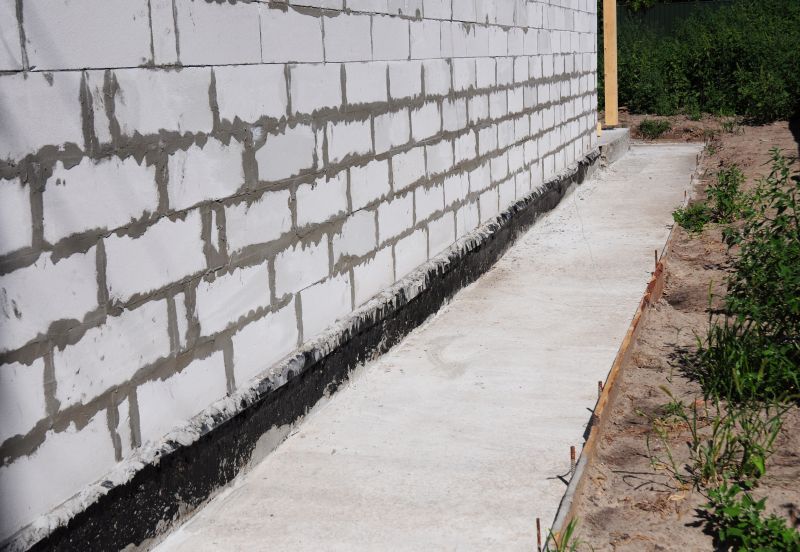

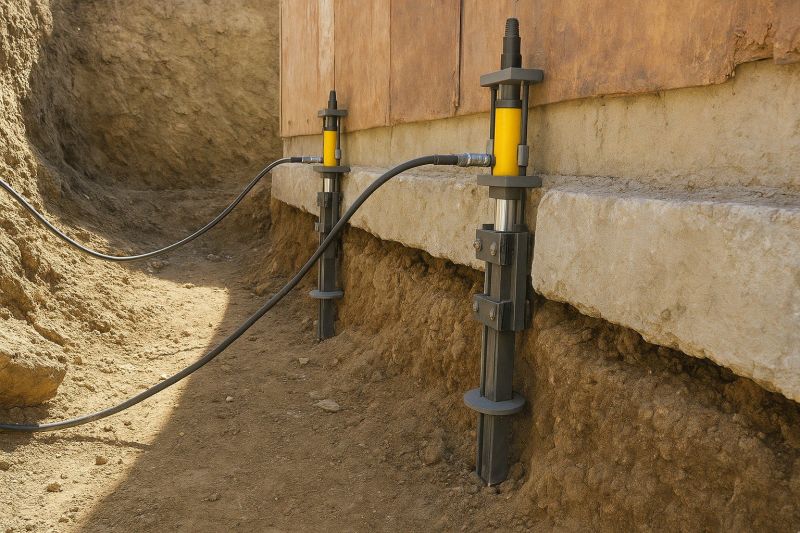
When homeowners search for information about foundation work, they often want to understand when foundation lifting is a better option than traditional repair methods. Typically, this question arises when there are noticeable signs of foundation movement, such as uneven floors, cracked walls, or doors and windows that no longer close properly. The goal is to determine whether the foundation can be stabilized or restored through lifting techniques, which can sometimes be more effective and less invasive than extensive repair work. Homeowners may also be exploring whether foundation lifting can prevent future issues, especially in cases where the foundation has experienced significant settling or shifting. Understanding these concerns helps clarify when foundation lifting may provide a more suitable solution for addressing existing problems or stabilizing a property.
The decision between foundation lifting and repair often hinges on the specific problems present and the plans for the property’s long-term stability. Foundation lifting is generally considered when the foundation has experienced uneven settlement that causes noticeable structural shifts, but the overall foundation remains intact and structurally sound. It is often used to level a property, correct uneven floors, and restore the original position of the foundation without extensive reconstruction. In contrast, traditional repair methods might involve underpinning or replacing sections of the foundation when damage is severe or when the foundation is compromised beyond simple leveling. Homeowners with plans to maintain or improve the property’s value may find foundation lifting to be a practical choice, especially when the goal is to preserve as much of the existing structure as possible.
The types of properties that typically come up in discussions about foundation lifting include residential homes, especially those with concrete slabs or pier-and-beam foundations. Single-family houses are common candidates, particularly older homes that have experienced shifting due to soil movement or moisture changes. Foundation lifting can also be relevant for small commercial buildings or multi-unit residential properties where uneven settling affects stability and safety. These properties often have visible signs such as cracked drywall, sticking doors, or uneven flooring, prompting homeowners or property managers to consider lifting as a solution. Local service providers experienced in foundation lifting can evaluate the specific circumstances of each property and recommend the most effective approach to restore stability and prevent further damage.
Understanding when foundation lifting is a better option than repair helps homeowners make informed decisions about their property’s foundation needs. It is important to recognize that foundation lifting is most effective when the foundation has settled unevenly but remains structurally sound overall. Homeowners should seek guidance from local contractors who specialize in foundation work to assess the extent of the issue and determine whether lifting can provide a long-term solution. These professionals can evaluate the property’s condition, identify underlying soil or moisture issues, and recommend the best course of action. By working with experienced service providers, property owners can ensure that the foundation stabilization process is handled correctly, helping to preserve the integrity and safety of their property without unnecessary or overly invasive repairs.
Soil Stabilization Projects - these projects involve improving ground stability, which shares skills in assessing soil conditions and using specialized equipment similar to foundation lifting techniques.
Concrete Lifting and Leveling - this process of raising and leveling sunken concrete slabs utilizes lifting tools and planning strategies comparable to foundation lifting services.
Structural Piering - installing piers to support or stabilize a building's foundation involves planning and equipment similar to those used in foundation lifting jobs.
Basement Wall Stabilization - reinforcing or straightening bowing basement walls requires knowledge of soil movement and lifting methods akin to foundation repair techniques.
Slope Stabilization Projects - working to prevent landslides or soil erosion involves planning and equipment use comparable to foundation lifting when addressing ground movement issues.
Retaining Wall Construction - designing and installing retaining walls involves soil analysis and lifting methods that relate closely to foundation lifting processes.

When evaluating foundation lifting services, it is important for homeowners to consider the experience of local contractors with similar projects. A contractor's familiarity with foundation lifting procedures, particularly in cases where it may be a more suitable solution than traditional repair, can significantly impact the quality and durability of the work. Homeowners should inquire about the types of projects the contractor has handled and whether they have successfully completed foundation lifting for properties with comparable soil conditions, structural issues, or foundation types. This background helps ensure that the service provider has the necessary expertise to assess the situation accurately and execute the work effectively.
Clear and detailed written expectations are essential when comparing foundation lifting services. Homeowners should seek contractors who provide comprehensive project descriptions, outlining the scope of work, methods used, and expected outcomes. This transparency helps prevent misunderstandings and ensures that everyone involved has aligned expectations. It is also beneficial to review any written estimates or proposals carefully, paying attention to the specifics of the lifting process and how it differs from repair options. Well-documented expectations serve as a foundation for a smooth project and can help homeowners make informed decisions about which service provider is best suited for their needs.
Reputable references and strong communication are key factors to consider when choosing local contractors for foundation lifting. Service providers with a history of satisfied clients and positive references can offer reassurance about their reliability and professionalism. Additionally, good communication throughout the process-such as responsiveness to questions, clarity in explanations, and transparency about procedures-can make the experience more straightforward and less stressful. Homeowners should feel comfortable asking for references or examples of past projects and should prioritize contractors who demonstrate openness and attentiveness, as these qualities often reflect a commitment to quality work and customer satisfaction.
Property owners often search for when foundation lifting is a better option than repair when they are planning practical projects around their homes and businesses. Local pros provide Foundation Lifting services for everyday jobs and straightforward project options.
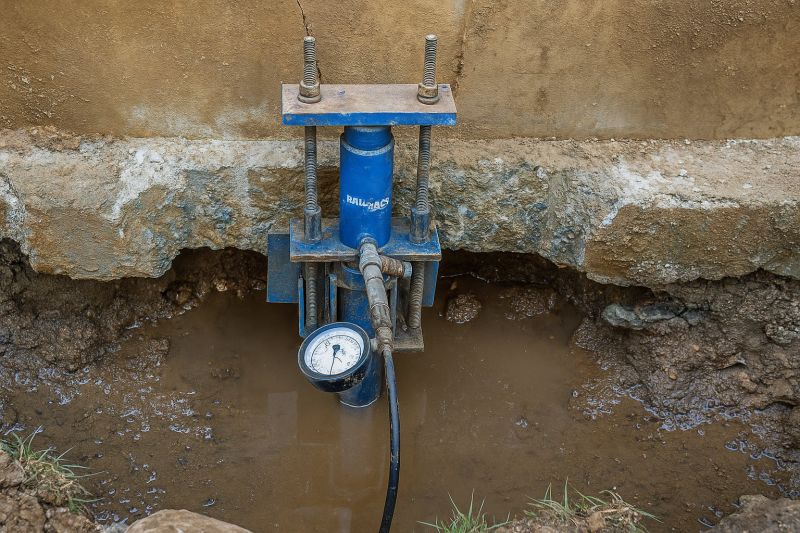

In many everyday situations, property owners notice uneven floors, cracked walls, or sticking doors and windows, which can indicate foundation issues. When these signs are linked to shifting or sinking of the foundation, local contractors often recommend foundation lifting as a more effective solution than traditional repair methods. Foundation lifting can help restore the structure’s original position more precisely, especially when the problem is caused by soil settlement or minor foundation movement, making it a practical choice for homeowners seeking a long-term fix.
Additionally, property owners who want to avoid extensive reconstruction or major repairs may find foundation lifting to be a better option. This approach can address specific foundation problems without the need for tearing out and replacing large sections of the structure. Local service providers experienced in foundation lifting can evaluate the situation and determine if this method will stabilize the property efficiently, helping owners protect their investment and maintain the home's value with a solution that targets the root cause of the issue.
When is foundation lifting a better option than repair? Foundation lifting is typically recommended when the foundation has experienced significant settlement or sinking that cannot be effectively stabilized through traditional repair methods alone.
How do I know if my foundation issues require lifting instead of repair? Signs such as large or uneven cracks, significant floor or wall shifting, and persistent structural movement may indicate that foundation lifting is a more suitable solution than standard repairs.
What types of foundation problems are best addressed with foundation lifting? Foundation lifting is often used for cases involving severe settlement, uneven foundation levels, or when existing repairs have failed to stabilize the structure properly.
Can foundation lifting be a better option for older homes with extensive cracks? Yes, in some cases, foundation lifting can effectively restore stability in older homes with widespread or deep cracks, especially when repair methods are insufficient to address underlying settlement issues.
Why should I consider foundation lifting services from local contractors? Local contractors can assess the specific conditions of a property and determine whether foundation lifting is appropriate, providing tailored solutions to restore stability effectively.
Assessing significant foundation movement - property owners experiencing noticeable uneven floors or cracks should consider foundation lifting services to restore stability.
Addressing ongoing soil settlement issues - when soil conditions cause continued shifting, foundation lifting can provide a more effective solution than repeated repairs.
Correcting structural misalignments - in cases where foundation shifts impact the overall structure, local contractors can perform foundation lifting to realign and stabilize the property.
Preventing future damage in expansive soils - properties on clay or other swelling soils may benefit from foundation lifting to counteract soil movement and avoid ongoing repair needs.
If you are thinking about when foundation lifting is a better option than repair for a property, this guide is meant to help you understand this topic, the typical project types, and how different options might fit your plans.
When you are ready, you can use the quote form on this page to share a few details about your project. From there, local pros can review the basics and follow up with options that match what you have in mind.